

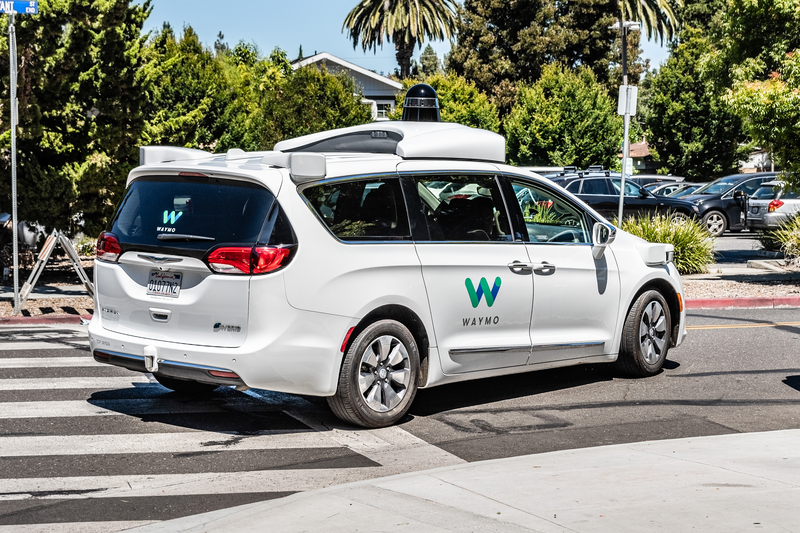
California’s Department of Motor Vehicles has ordered Waymo to pull its fully driverless robotaxis off every freeway in the state, declaring that the autonomous vehicles pose an “imminent hazard to public safety.” The directive was dated November 11 and surfaced this week. Waymo announced it has temporarily halted freeway operations across all of its U.S. markets while it evaluates system performance.
What Triggered the California DMV Order? The restriction bars Waymo from operating any vehicle without a human safety driver on California freeways under both its deployment and driverless testing permits. Unlike a fixed suspension, the order remains in effect indefinitely until Waymo proves to regulators that it has implemented effective corrective actions.
According to the DMV, the decision stems from two major safety concerns:
- Active Construction Zone Incursions: Three driverless Waymo vehicles recently entered an active construction closure on US Highway 101 near Burlingame—part of a recurring pattern of work-zone violations dating back to May 18.
- Evading a CHP Traffic Break: In a separate incident on Interstate 280 in San Francisco, a driverless Waymo sped past stopped vehicles and attempted to maneuver around California Highway Patrol cruisers holding traffic to clear roadway debris. Officers had to use multiple patrol cars to physically block the robotaxi, and the CHP reported having no direct communication from Waymo during the encounter.
A Pattern of High-Speed Edge Cases This marks the second freeway shutdown for Waymo in 2026. After launching highway rides in late 2025, seven Waymo vehicles drove through cones into closed Bay Area freeway lanes on May 18, prompting a pause and a recall of 3,871 vehicles. Regulators noted that the software could inappropriately prioritize avoiding other highway hazards over recognizing closed construction zones. Although a July software update cleared the fleet to return to freeways – beginning in Phoenix on July 29 – similar work-zone failures resurfaced on California Highway 101 within four months.
The enforcement action also highlights California’s expanded regulatory powers enacted on April 28, which authorize the DMV to impose targeted operational restrictions and allow law enforcement to issue traffic citations directly to driverless fleets. Separately, in Phoenix, a collision involving two Waymo robotaxis sent three people to the hospital on November 16, 2026, with fault still under investigation.
Legal Takeaways for Motorists and Injured Victims While Waymo continues operating more than half a million weekly trips on surface streets, high-speed highway environments magnify the risk of autonomous software edge cases. As driverless fleets expand across Arizona and California, collisions involving robotaxis raise complex legal questions around product liability, software defect recalls, fleet operator negligence, and multi-party fault.
We represent people injured as a result of the careless and reckless acts of others. At the end of the day your case can only be settled one time and you need to know all of the facts beforehand. Insurance companies have paid our clients hundreds of millions of dollars in compensation because we uncover the facts. When insurance companies fail to offer full compensation, we are not intimidated at the prospect of going to trial. We help with serious injuries that require serious representation. We are the Law Offices of Guenard & Bozarth, LLP. Our attorneys have more than 60 years of experience specializing in only representing injured people. Call GB Legal 24/7/365 at 916-714-7672 or visit www.gblegal.com
