
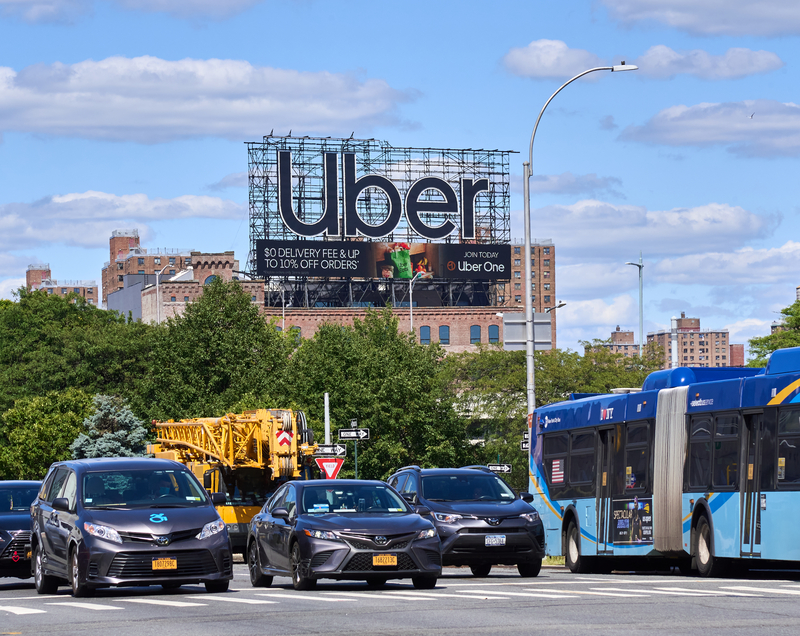
The streets of Sacramento, Roseville, and Elk Grove have seen a dramatic transformation over the last few years. The “gig economy” is no longer a side hustle; as of early 2026, it is a primary driver of our local traffic patterns. With over 8 million drivers nationwide on platforms like Uber and DoorDash – and California leading the nation in gig labor – the Sacramento Valley has become a hub for rideshare and delivery services. There is a dangerous correlation between the “customer rating” systems used by these platforms and a spike in local crash statistics.
The Rating Trap: Speed vs. Safety. The business model of gig work relies on a digital carrot-and-stick: the customer rating. For a driver in the Sacramento Valley, a drop in their “star rating” below a certain threshold doesn’t just mean fewer tips—it can mean immediate deactivation and loss of income.
This creates an environment of extreme time pressure. When a delivery driver is navigating the high-speed “stroads” like Watt Avenue or Sunrise Boulevard, the algorithm is tracking every second.
- The Incentive to Speed: To maintain a 5-star rating for “promptness,” drivers are incentivized to push yellow lights and exceed speed limits.
- The Distraction of the Interface: Drivers must constantly interact with their phones to accept new “batches” or navigate complex apartment complexes in North Sacramento, taking their focus off the road during critical maneuvers.
Why is the Sacramento Valley so vulnerable? As we’ve discussed previously, the Sacramento Valley is a “high-injury network” due to its mix of high-speed transit corridors and residential hubs. When you add thousands of drivers who are psychologically tethered to a ticking clock, the risks multiply.
Recent 2026 mobility reports indicate that gig couriers are working more hours than ever to compensate for stagnating per-order pay. Fatigued drivers, combined with the pressure to deliver a “hot meal” or a “quick ride,” lead to the types of high-energy collisions we see on Highway 99 and Business 80.
Innocent victims need an advocate to Confront the legal loophole and determining who is liable. Rideshare and delivery companies often attempt to distance themselves from liability by classifying drivers as independent contractors. If you are hit by a delivery driver, their insurance company might argue they weren’t “on the clock” if they didn’t have an active delivery in the car, even if they were speeding to get to their next pickup. We know these digital platforms bear responsibility for the pressure they place on drivers. If you have been injured in a collision involving a gig worker, you aren’t just fighting an individual driver- you are fighting a multi-billion dollar algorithm. Don’t let a driver’s quest for a five-star rating cost you your health or your livelihood.
We represent people injured as a result of the careless and reckless acts of others. At the end of the day your case can only be settled one time and you need to know all of the facts beforehand. Insurance companies have paid our clients hundreds of millions of dollars in compensation because we uncover the facts. When insurance companies fail to offer full compensation we aren’t intimidated at the prospect of going to trial. We help with serious injuries that require serious representation. We are the Law Offices of Guenard & Bozarth, LLP. Our attorneys have more than 60 years of experience specializing in only representing injured people. Call GB Legal 24/7/365 at 916-714-7672 or visit www.gblegal.com