

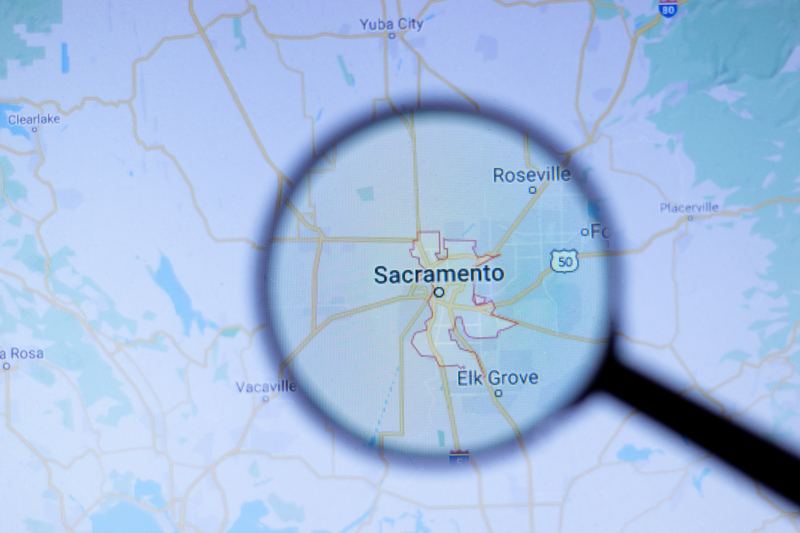
California is often viewed through the lens of statewide averages, but for those of us living and working in the Sacramento Valley, averages can be misleading. While statewide traffic fatalities saw a notable decline in 2025, the story on the ground in Sacramento and its surrounding communities tells a different, more urgent story. We monitor these regional disparities closely. Understanding that crash statistics are not spread evenly across the state is the first step in recognizing the unique risks our local drivers face every day.
The Regional Disparity. Recent data from the California Office of Traffic Safety and early 2026 reports highlight a “safety gap” between coastal metropolitan areas and the Central Valley. While cities like San Francisco have implemented aggressive “Vision Zero” designs that have successfully lowered speeds and accidents, the Sacramento Valley remains a high-collision network.
In fact, the start of 2026 has been particularly grim for the region. While some California counties are seeing safety improvements, Sacramento road deaths reached double digits within the first few weeks of the year. This isn’t just bad luck; it’s a reflection of our specific infrastructure and transit habits.
Why the Sacramento Valley is a “High-Injury Network.” Several factors contribute to why our local crash statistics remain stubbornly high compared to the rest of the state:
- Arterial Danger: Much of the Sacramento Valley relies on “stroads”—high-speed multi-lane roads like Arden Way, Fruitridge Road, and Power Inn Road that serve as both local streets and major transit arteries. These designs encourage highway speeds in areas with high pedestrian and cross-traffic volume.
- The Commuter Corridor: The convergence of I-5, Hwy 99, and Business 80 creates a high-pressure environment for commuters. The heavy mix of commercial trucking and passenger vehicles in these corridors significantly increases the severity of accidents when they occur.
- The “Complacency” Factor: In rural or suburban stretches of the Valley, long, straight roads often lead to increased speeding and distracted driving. Statistics show that speeding-related fatalities in counties like Glenn and Tehama are significantly higher per capita than in the more congested Bay Area.
What this means for you. If you live in Elk Grove, Galt, or Sacramento, you are navigating some of the most statistically dangerous pavement in the state. This regional reality means that your “duty of care” as a driver is even higher. It also means that if you are injured, the insurance companies will often try to apply “statewide averages” to your claim, ignoring the specific hazardous conditions of the Sacramento Valley. You need a legal team that knows these roads as well as you do – advocates who understand that a crash on Northgate Boulevard is fundamentally different from a fender-bender in a coastal suburb. When you’ve been affected by a collision in the Sacramento Valley, we are here to ensure the statistics don’t define your recovery.
We represent people injured as a result of the careless and reckless acts of others. At the end of the day your case can only be settled one time and you need to know all of the facts beforehand. Insurance companies have paid our clients hundreds of millions of dollars in compensation because we uncover the facts. When insurance companies fail to offer full compensation we aren’t intimidated at the prospect of going to trial. We help with serious injuries that require serious representation. We are the Law Offices of Guenard & Bozarth, LLP. Our attorneys have more than 60 years of experience specializing in only representing injured people. Call GB Legal 24/7/365 at 916-714-7672 or visit www.gblegal.com