

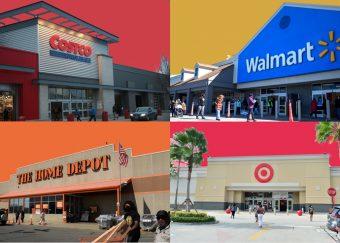
We visit big-box retail chains like Walmart, Target, Home Depot, and Costco for convenience. We expect wide aisles, stocked shelves, and a safe environment to shop for our families. However, the sheer size of these giant warehouses creates a breeding ground for premises liability hazards. What might seem like a minor stumble can instantly turn into a life-altering injury.
Slip and fall accidents are frequently treated as punchlines in popular culture, but the reality is far from funny. A sudden fall on a hard concrete or tile floor can result in traumatic brain injuries (TBIs), severe spinal damage, broken hips, and torn ligaments.
Here’s why Big-Box stores pose unique risks… The massive footprint of a big-box store makes safety monitoring highly challenging. With fewer staff members patrolling larger areas, hazards can go unnoticed for hours. Some of the most common causes of retail slip and falls include:
- Liquid Spills: Leaky refrigeration units in grocery sections, dropped beverage containers, or tracked-in rainwater near entrances.
- Debris in Aisles: Dropped packaging, plastic wrap, cardboard, or stray products left on the floor.
- Unmarked Hazards: Freshly mopped floors left without a bright yellow “Caution” sign.
- Floor Transition Zones: Uneven entry mats, cracked concrete, or loose rugs near checkout lanes.
Proving liability is frequently a major hurdle. Just because you fell inside a retail store does not mean the store is automatically responsible for your medical bills. To win a premises liability claim, you must prove that the store was negligent. In legal terms, this requires showing that the business had actual or constructive notice of the hazard.
What is constructive notice? This means the hazard existed on the floor for such a long period of time that the store employees should have discovered and resolved it during reasonable, routine inspections. Corporate defense teams for retail giants are notoriously aggressive. They will often argue that you weren’t looking where you were going, that the spill just happened seconds prior, or that your injuries are pre-existing.
Here are crucial steps to take after a fall. If you are injured in a retail store, the steps you take in the immediate aftermath are vital to protecting your health and your legal rights:
- Seek Medical Attention: Your health is the absolute priority, and immediate medical records link your injuries directly to the fall.
- Report the Incident: Demand that a manager fill out an official incident report. Request a physical copy before you leave the premises.
- Document the Scene: Take photos and videos of the exact hazard that caused you to fall (e.g., the puddle, the stray box) and the surrounding area. Note if there were any warning signs nearby.
- Identify Witnesses: Gather the names and phone numbers of any fellow shoppers or employees who saw you fall or noticed the hazard.
We represent people injured as a result of the careless and reckless acts of others. At the end of the day your case can only be settled one time and you need to know all of the facts beforehand. Insurance companies have paid our clients hundreds of millions of dollars in compensation because we uncover the facts. When insurance companies fail to offer full compensation we are not intimidated at the prospect of going to trial. We help with serious injuries that require serious representation. We are the Law Offices of Guenard & Bozarth, LLP. Our attorneys have more than 60 years of experience specializing in only representing injured people. Call GB Legal 24/7/365 at 916-714-7672 or visit www.gblegal.com