

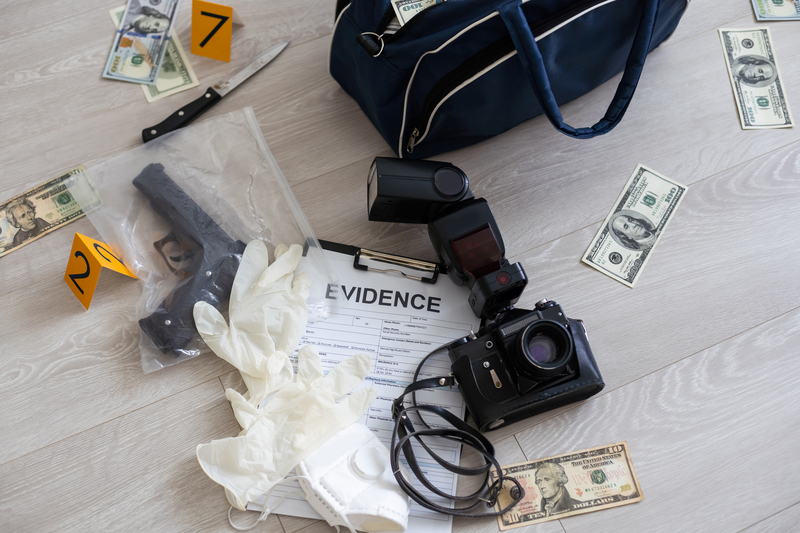
Car crash victims often ask what separates successful injury claims from those that fail. The short answer is evidence. What you document at the scene, in the days that follow, and throughout your medical treatment shapes your ability to prove negligence. Under California’s pure comparative negligence system, even partially at-fault victims can recover damages. However, because insurance companies actively try to minimize payouts, thorough evidence preservation is critical.
Whether your crash happened on Highway 99, I-5, Elk Grove Boulevard, or a local intersection, the proof you gather influences every stage of your claim.
Visual Evidence: Photographing the Scene. Physical evidence fades quickly as roads are cleared. Use your smartphone to capture:
- The Overall Scene: Take wide-angle shots of the vehicles, traffic controls (stop signs, signals, or yield signs), and weather conditions.
- Property Damage & Injuries: Photograph close-ups of the damage to all vehicles and any visible physical injuries.
- Road Conditions: Capture skid marks, debris patterns, and road hazards.
- 360-Degree Video: Use your phone’s video mode for a slow walkaround of the entire scene to capture lighting conditions and background traffic patterns.
Official Police Reports. Even if a collision seems minor, always call law enforcement. The responding officer will interview drivers and witnesses to generate an official report. While not automatically conclusive in a lawsuit, police report’s strongly persuade insurance adjusters. Furthermore, it locks in the other driver’s original story before they can change it later.
Independent Witness Testimony. Bystanders have no financial stake in your case, making their accounts highly credible to insurance adjusters and juries. Collect the names, phone numbers, and email addresses of anyone who stopped or observed the crash. A pedestrian or nearby driver may have seen details you missed – such as the other driver looking at their phone right before the impact.
Statutory Information Exchange. California Vehicle Code §§ 16025, 20003, and 20004 legally require drivers to exchange information. Be sure to record the other driver’s name, phone number, insurance provider, policy number, and driver’s license number. Always photograph their license plate – especially if they attempt to flee the scene.
Ongoing Financial & Medical Records. Keep every single document organized from day one. Request itemized billing statements from your medical providers, as these explicitly connect your treatments to the accident. Keep track of:
- Medical bills and pharmacy receipts
- Physical therapy records
- Vehicle repair estimates and rental invoices
- Documentation of missed work and lost wages
Protect Your Claim Before Evidence Disappears. Did you know that in California, you generally have two years to file a personal injury lawsuit and three years for property damage. However, critical evidence like business surveillance footage, dashcam recordings, and traffic camera data is often overwritten within 30 to 90 days. We represent people injured as a result of the careless and reckless acts of others. At the end of the day your case can only be settled one time and you need to know all of the facts beforehand. Insurance companies have paid our clients hundreds of millions of dollars in compensation because we uncover the facts. When insurance companies fail to offer full compensation we are not intimidated at the prospect of going to trial. We help with serious injuries that require serious representation. We are the Law Offices of Guenard & Bozarth, LLP. Our attorneys have more than 60 years of experience specializing in only representing injured people. Call GB Legal 24/7/365 at 916-714-7672 or visit www.gblegal.com