

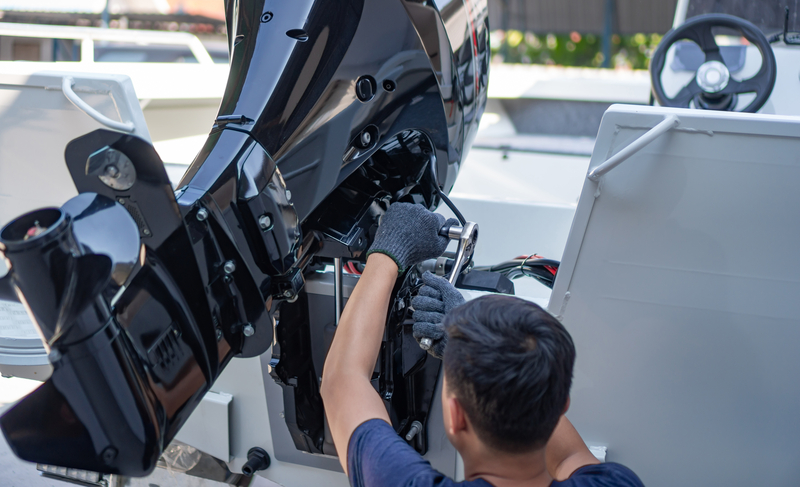
Boating is a way of life throughout the Sacramento River Delta and all of Northern California. Whether cruising the local waterways or heading out for a weekend at Lake Berryessa, the thrill of the water comes with significant responsibility. While most boaters focus on navigation and life jackets, there is a critical behind-the-scenes element to safety that is often overlooked until an accident occurs: rigorous maintenance and meticulous record-keeping. At GB Legal, we see firsthand how a lack of documented maintenance can turn a preventable mechanical failure into a life-altering tragedy. The boat owner’s burden is more than just changing the oil. Owning a watercraft – be it a personal watercraft (PWC), a pontoon, or a high-performance speedboat – carries a legal and moral obligation to ensure the vessel is “seaworthy.” Seaworthiness isn’t just a maritime term; it’s a standard of safety.
Responsible means going beyond visual inspections. Proper maintenance includes:
- Hull Integrity: Checking for cracks, osmosis, or damage that could lead to flooding.
- Mechanical Systems: Regular servicing of engines, fuel lines (to prevent fires), and steering cables.
- Safety Equipment: Ensuring fire extinguishers, bilge pumps, and navigation lights are not just present, but fully functional.
The power of the paper trail. In the eyes of the law, if it wasn’t recorded, it didn’t happen. A responsible boat owner should maintain a dedicated maintenance log that includes:
- Dates of Service: When the work was performed.
- Specific Actions: Exactly what was inspected or replaced.
- Supporting Evidence: Invoices from marine mechanics, receipts for parts, and even dated photographs of the repairs.
This log serves two purposes. First, it ensures the owner never misses a critical safety check. Second, in the event of an accident caused by a mechanical failure, it provides a defense that the owner exercised “reasonable care.” The Victim’s Right: Demand the Records. If you or a loved one are injured while a passenger on someone else’s boat, or due to a collision with another vessel, you have a right to know the history of that craft. Often, a “freak accident” like a steering failure or an engine explosion is actually the result of long-term neglect. When an injury occurs, any victim should demand access to the owner’s maintenance records.
Compare and contrast: Documented care vs. negligence:
- The Diligent Owner: Can produce a folder of receipts and a logbook showing the steering cable was inspected and lubricated three months ago. If a part fails despite this, it may be a manufacturer defect.
- The Negligent Owner: Has no records, hasn’t serviced the engine in years, and relies on “it seemed fine to me” as a defense. This lack of evidence is a significant red flag in a personal injury claim.
An injury case involving a boating accident has the burden of proof resting on showing the owner failed to maintain a safe environment. If an owner cannot produce evidence of inspections, they may be held liable for “negligent maintenance.” If you are a boat owner, start your logbook today – it is your best tool for safety and your best protection against liability. If you have been injured on the water, do not simply accept the owner’s word that the boat “just broke.” You deserve to see the evidence of how that vessel was cared for.
We represent people injured as a result of the careless and reckless acts of others. At the end of the day your case can only be settled one time and you need to know all of the facts beforehand. Insurance companies have paid our clients hundreds of millions of dollars in compensation because we uncover the facts. When insurance companies fail to offer full compensation, we are not intimidated at the prospect of going to trial. We help with serious injuries that require serious representation. We are the Law Offices of Guenard & Bozarth, LLP. Our attorneys have more than 60 years of experience specializing in only representing injured people. Call GB Legal 24/7/365 at 916-714-7672 or visit www.gblegal.com